
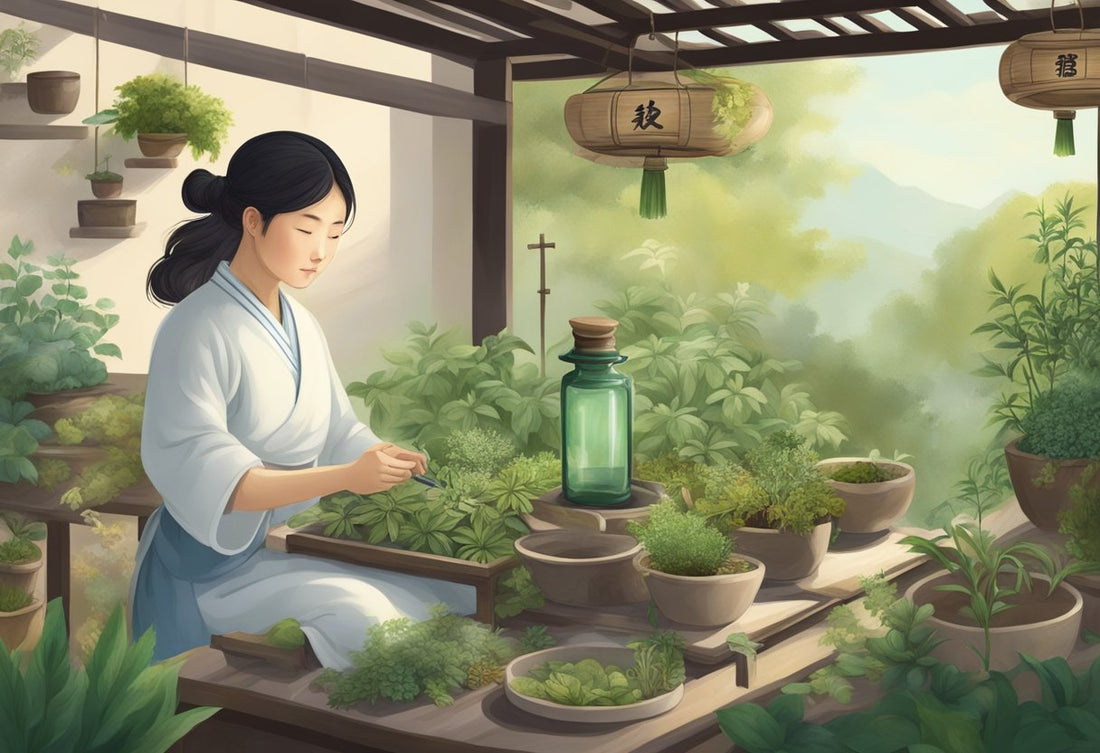
For centuries, ancient Chinese remedies have offered unique insights into health and wellness. Traditional Chinese Medicine (TCM) employs a holistic approach to treat various conditions, including high blood pressure, known as hypertension. Ancient practices such as acupuncture, herbal formulas, and qigong may serve as effective alternatives or complementary options in managing your blood pressure.
Engaging with these time-tested methods can provide you with a deeper understanding of hypertension treatment beyond conventional medication. You might find that integrating alternative medicine practices into your routine not only addresses symptoms but also promotes overall well-being. Exploring these remedies could open new avenues for managing high blood pressure effectively.
As modern research increasingly validates the efficacy of these ancient practices, learning about their benefits can empower you to take control of your health. Embracing the wisdom of ancient Chinese remedies may be the key to achieving better blood pressure management and improved quality of life.
Understanding Hypertension
Hypertension, or high blood pressure, is a major health concern that can lead to severe complications if not managed effectively. This section will clarify the basics of high blood pressure, explore its types, and discuss the associated risk factors and complications.
The Basics of High Blood Pressure
High blood pressure occurs when the force of blood against your artery walls is consistently too high. Blood pressure is measured in millimeters of mercury (mm Hg) and is given as two numbers: systolic (the pressure during heartbeats) over diastolic (the pressure between beats).
Normal blood pressure is usually around 120/80 mm Hg. Elevated readings may indicate hypertension, which is classified into several grades. You may have essential hypertension, which develops gradually and has no identifiable cause, or secondary hypertension, which is often related to another condition such as kidney disease.
Types of Hypertension
There are primarily two types of hypertension: primary and secondary.
- Primary Hypertension: This is the most common type, accounting for about 90-95% of cases. It typically develops gradually over many years and is influenced by multiple factors, including genetics and lifestyle.
- Secondary Hypertension: This type results from an underlying health problem, such as kidney disease, hormonal disorders, or certain medications. It can appear suddenly and cause higher blood pressure than primary hypertension.
Understanding the distinction between these types is crucial for effective management and treatment options.
Risk Factors and Complications
Several factors contribute to the risk of developing hypertension. These include:
- Age: Blood pressure tends to rise with age.
- Family History: Genetics can play a significant role.
- Diet: High salt intake and unhealthy eating habits can elevate blood pressure.
- Lifestyle: Lack of physical activity, smoking, and excessive alcohol consumption are also contributors.
Untreated hypertension can lead to serious complications, including:
- Stroke: High blood pressure is a leading cause of stroke.
- Cardiovascular Disease: It increases the risk of heart attacks and heart failure.
- Kidney Disease: Hypertension can damage blood vessels in the kidneys, affecting their ability to filter waste.
Managing these risk factors is essential to reduce complications and maintain a healthy blood pressure level.
Traditional Chinese Medicine Approaches
Traditional Chinese Medicine (TCM) offers unique methodologies for addressing hypertension by treating the underlying imbalances in the body. Central concepts include the harmony of Qi, blood circulation, and the balance of elements within your body.
Philosophy of TCM in Hypertension
TCM views hypertension as a result of internal disharmony. Factors such as Qi stagnation, blood stasis, and excess Yin can lead to elevated blood pressure. Key organs involved include the liver, heart, and spleen, which regulate blood flow and energy.
The concept of yang rising is often associated with high blood pressure, where excessive heat and energy lead to inflammation. Treatments aim to restore balance, employing various methods such as herbal prescriptions and acupuncture to improve circulation and reduce stress. By focusing on holistic well-being and lifestyle adjustments, TCM aims to address both symptoms and root causes of hypertension effectively.
TCM Diagnosis and Hypertension
Diagnosis in TCM for hypertension involves a detailed analysis of your symptoms and physical characteristics. Practitioners assess your pulse quality and tongue appearance, identifying patterns like dampness, phlegm, or liver fire.
Common diagnostic patterns include spleen deficiency, where fatigue and digestive issues may contribute to rising blood pressure. TCM practitioners may recommend personalized herbal formulas to clear excess heat and nourish Qi. Ingredients like Tian Ma and Gou Teng are often used to calm the nervous system and promote blood flow, thereby mitigating hypertension's effects.
This comprehensive approach ensures that treatment is tailored to your specific needs, integrating multiple aspects of health to achieve optimal results.
Treatment Modalities in TCM
Traditional Chinese Medicine (TCM) employs various treatment modalities for managing high blood pressure, focusing on restoring balance and harmony within the body. Key approaches include herbal remedies, acupuncture, and practices like Tai Chi and Qigong, each offering unique benefits for regulating blood pressure and improving overall health.
Herbal Remedies and Formulas
Chinese herbal formulas are pivotal in managing hypertension. Specific herbs, such as Huang Qin and Tian Ma, are known for their antihypertensive properties. These herbs help to clear heat and calm the liver, addressing both symptoms and underlying issues.
Formulas like Tian Ma Gou Teng Yin combine multiple herbs to target blood pressure effectively. This synergy enhances their impact while mitigating possible side effects. TCM practitioners often tailor these formulas to your specific condition, ensuring a personalized approach.
Regular use of these herbal mixtures can improve energy levels and enhance well-being, making them a central focus in TCM hypertension treatments.
Acupuncture and Moxibustion
Acupuncture involves stimulating specific acupoints to balance energy and promote circulation. Research suggests it can effectively lower blood pressure through mechanisms such as reducing stress and improving blood flow. Practitioners may utilize electroacupuncture for added effectiveness, enhancing the stimulation of points associated with hypertension.
Moxibustion, a complementary therapy, involves burning mugwort near acupuncture points. This method warms the area and promotes healing. Together, these techniques can help alleviate symptoms while addressing the root causes of high blood pressure. Regular treatments may enhance overall health and vitality.
Tai Chi and Qigong
Tai Chi and Qigong are gentle martial arts that focus on slow, deliberate movements and deep breathing. These practices promote relaxation and help regulate blood pressure through energy flow and improved mental clarity.
Engaging regularly in Tai Chi can enhance cardiovascular health by fostering better circulation and reducing stress levels. Qigong exercises further improve the connection between mind and body, enabling you to gain greater control over your physiological responses.
Both practices are accessible and can be tailored to your fitness level, making them excellent additions to your routine for better blood pressure management.
Efficacy of TCM Treatments
The exploration of Traditional Chinese Medicine (TCM) in treating high blood pressure (hypertension) involves examining various studies, including randomized controlled trials and systematic reviews. Understanding the therapeutic effects, safety, and how TCM compares to Western medicine is essential for informed choices.
Research and Trials Overview
Research into the efficacy of TCM treatments for hypertension often includes randomized controlled trials (RCTs) and systematic reviews. Studies have indicated that certain TCM modalities, such as acupuncture and herbal formulations, exhibit significant antihypertensive effects.
In meta-analyses, TCM has shown promise in lowering blood pressure while enhancing quality of life. For example, herbal formulas can address not only hypertension but also stress, a contributing factor to elevated blood pressure.
Many trials report an improvement in patients' overall well-being and a reduction in side effects compared to conventional medications. Ongoing research is needed to establish definitive standards for TCM practices and their long-term safety profiles.
Comparing TCM and Western Medicine
Comparing TCM and Western medicine reveals distinct approaches to hypertension. Western treatment typically relies on pharmaceutical interventions that target specific biological pathways. While effective, they can sometimes lead to adverse side effects.
In contrast, TCM emphasizes holistic care, incorporating dietary adjustments, herbal treatments, and stress management techniques. The focus is on restoring balance within the body, which can lead to sustained improvements in blood pressure without the harsh side effects commonly associated with pharmaceutical treatments.
Integrative medicine, which combines both TCM and Western approaches, is gaining traction for managing hypertension. Studies suggest that a complementary method may enhance therapeutic effects while minimizing risks.
Considerations and Precautions
When exploring ancient Chinese remedies for high blood pressure, it’s essential to understand how these treatments might interact with conventional methods. Considerations surrounding effective use and potential side effects can ensure a balanced approach to your health.
Integrating TCM with Conventional Treatment
Integrating Traditional Chinese Medicine (TCM) with conventional treatment can enhance your overall management of hypertension. It’s crucial to communicate with your healthcare provider before starting any herbal remedies alongside antihypertensive drugs.
Some people may find that TCM therapies can complement their prescribed medications, improving blood pressure control without increasing the risk of adverse effects. However, certain herbs may interact with medications, leading to contraindications. For instance, herbs like Danshen can affect blood-thinning medications, so monitoring is necessary.
You should emphasize evidence-based approaches when discussing TCM. The quality of evidence for these remedies varies, so consider peer-reviewed research and consult professionals experienced in both TCM and conventional medicine.
Potential Side Effects and Interactions
While many ancient Chinese remedies are generally safe, they can have side effects or cause interactions with other medications. Some herbs may lead to gastrointestinal upset or allergic reactions in sensitive individuals.
It's essential to be aware of potential interactions with antihypertensive drugs. For instance, certain herbs might amplify the effects of these medications, risking hypotension. Always check for specific contraindications with existing medical conditions.
To maintain safety, consider maintaining a detailed list of all supplements and medications you are taking. Consulting with a healthcare professional who understands complementary and alternative medicine (CAM) can provide insights into the methodological quality of studies regarding specific TCM practices. This ensures that your approach to managing hypertension is informed and safe.