
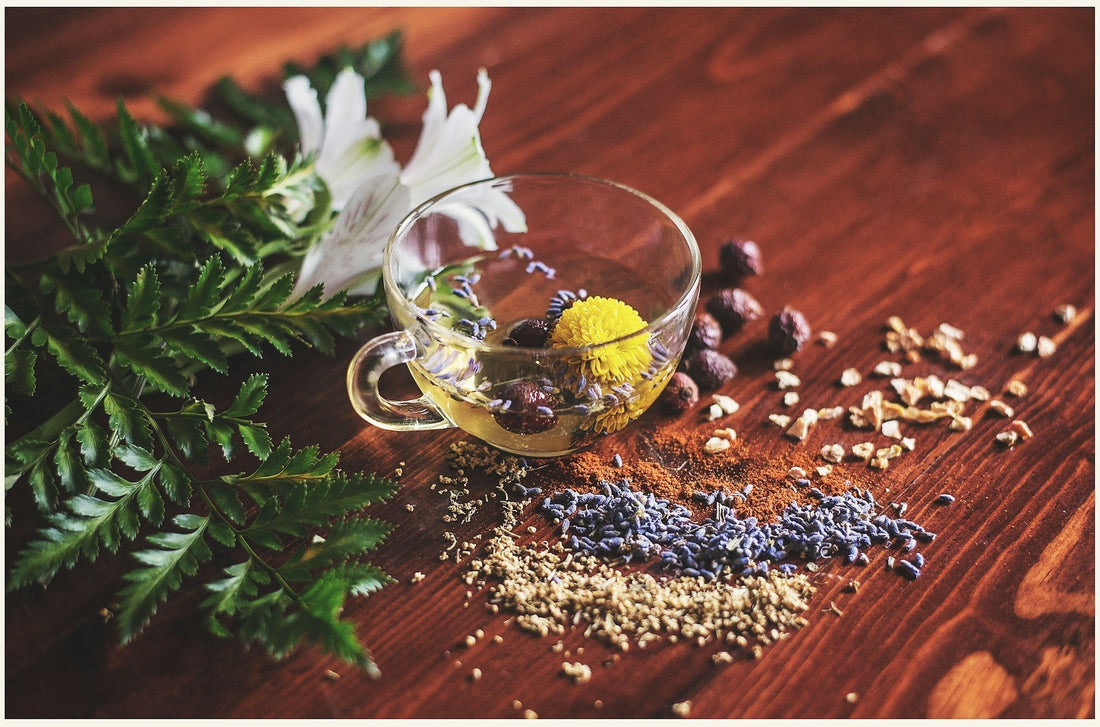
There's something grounding about making your own herbal preparations. It's practical, yes: a jar of elderberry syrup you make yourself costs a fraction of a commercial equivalent and lasts just as long. But there's something more than economics at work. When you simmer ginger root or infuse calendula in oil, you understand the plant differently. You see how it smells, how it behaves, how much care the process requires. That hands-on relationship is part of what traditional herbalists have always considered essential to using plants well.
The six recipes in self care guide focus on preparations that are genuinely useful for everyday ailments and realistic to make at home, with no specialist equipment and no expensive ingredients. Each one addresses something that tends to matter more as you get older: poor sleep, digestive discomfort, chronic inflammation, reduced immunity, or the skin changes that come with age. They're starting points, not prescriptions, and most people find them easy to work into an existing daily routine.
Before You Start: Herb Quality and Basic Equipment
The quality of your starting materials matters more than any recipe technique. Dried herbs that have been sitting on a shelf for two years won't produce the same results as freshly sourced ones. Look for dried herbs that still hold their colour and aroma. Faded, dusty-smelling herbs have lost most of their volatile oils and active compounds. Reputable suppliers test for purity and label harvest dates; those details are worth looking for when you're choosing where to buy.
In terms of equipment, you don't need much: a small saucepan, heat-resistant glass measuring cups, a fine-mesh strainer or cheesecloth, and a set of clean glass jars cover nearly everything here. Our herbal remedy starter kit guide covers exactly what's worth having on hand and what you can skip.
How to Make Basic Herbal Remedies like Teas & Decoctions
Teas are the most accessible entry point into herbal medicine, and the technique is simple once you understand one key distinction. Flowers and leaves release their medicinal compounds relatively quickly: steep one to two teaspoons in just-boiled water, covered, for 10 to 15 minutes. Roots and bark need longer extraction. You simmer them in cold water brought slowly to a low boil, then simmer for 20 to 30 minutes. This is called a decoction, and skipping this step with root-based herbs means most of the medicinal value stays in the plant.
-
Chamomile and Lemon Balm Sleep Tea
Both chamomile and lemon balm have clinical research supporting their effect on sleep and relaxation. A study published in Phytomedicine found that chamomile extract significantly improved sleep quality in adults over 60 compared to placebo. Combined, these two herbs make a reliably effective evening tea.
Ingredients:
-
1 teaspoon dried chamomile flowers
-
1 teaspoon dried lemon balm leaves
-
1 cup just-boiled water
-
A small amount of honey, to taste (optional)
Add both herbs to a mug, pour over the hot water, and cover the mug with a saucer. Steep for 12 to 15 minutes. Covering the mug matters: the volatile oils responsible for chamomile's calming effects escape with the steam if you leave it open. Strain, sweeten if desired, and drink 30 to 45 minutes before bed.
-
Ginger Root Digestive Tea
Fresh ginger is one of the most straightforwardly effective herbal remedies for nausea, bloating, and slow digestion after a meal. Multiple clinical trials have confirmed its anti-nausea properties, and it also carries well-documented anti-inflammatory effects. Because ginger is a root, you prepare it as a decoction rather than a standard infusion.
Ingredients:
-
One inch of fresh ginger root, cut into 4 to 5 thin slices
-
2 cups cold water
-
Squeeze of fresh lemon
-
Honey, to taste
Combine the ginger slices and cold water in a small saucepan. Bring to a gentle simmer and hold for 15 to 20 minutes. Strain into a mug, add lemon and honey, and drink warm. For people managing chronic digestive conditions alongside their herbal practice, our guide to herbal solutions for digestive disorders covers a wider range of herb and preparation options.
-
Turmeric Golden Milk
Turmeric has one of the strongest evidence bases of any culinary herb for anti-inflammatory effects. Its active compound, curcumin, inhibits several key inflammatory pathways relevant to joint pain, muscle soreness, and general systemic inflammation. The challenge is absorption: curcumin absorbs poorly on its own. Black pepper solves this problem. The piperine in black pepper increases curcumin bioavailability by up to 2,000% according to research published in Planta Medica, which is why this preparation always includes it.
Ingredients:
-
1 cup oat milk, coconut milk, or whole dairy milk
-
1 teaspoon ground turmeric
-
1/4 teaspoon freshly ground black pepper
-
1/4 teaspoon ground cinnamon
-
1/4 teaspoon ground ginger (optional)
-
1 teaspoon honey or maple syrup
Warm the milk gently in a small saucepan over medium-low heat. Whisk in the turmeric, black pepper, cinnamon, and ginger. Simmer gently for two to three minutes, stirring. Remove from heat, stir in the honey, and drink warm. The fat in dairy or coconut milk also aids curcumin absorption, making it a better choice here than water. If you use this preparation specifically for joint or chronic pain support, our guide to natural remedies for chronic pain covers the broader evidence for turmeric and related herbs.
-
Elderberry Syrup
Elderberry syrup is one of the most practical immune-support preparations you can make at home, and it costs considerably less than commercial versions. Research published in Nutrients found that elderberry extract reduced the duration of colds in airline passengers by an average of two days. A separate meta-analysis in Complementary Medicine Research concluded that elderberry supplementation substantially reduced the duration and severity of upper respiratory symptoms.
Ingredients:
-
1 cup dried elderberries (or 2 cups fresh/frozen)
-
3 cups water
-
1 cinnamon stick
-
4 whole cloves
-
1 teaspoon freshly grated ginger (optional)
-
1 cup raw honey (added after cooling)
Combine the elderberries, water, cinnamon, cloves, and ginger in a saucepan. Bring to a boil, reduce the heat, and simmer uncovered for 45 to 60 minutes until the liquid reduces by roughly half. Remove from heat and allow to cool to room temperature. Mash the berries with a spoon, then strain the mixture through cheesecloth, pressing to extract all the liquid. Stir in the honey once the liquid is cool (adding honey to hot liquid degrades its beneficial compounds). Store in a sealed glass jar in the refrigerator for up to 60 days.
A standard adult dose for immune support is one tablespoon daily during cold and flu season, increased to three times daily at the first sign of illness. One important note: never consume raw elderberries. They contain compounds that cause nausea and vomiting when uncooked. This recipe's simmering step renders them safe.
-
Calendula Infused Oil and Salve
Calendula is among the most useful herbs for topical application, particularly for adults whose skin has become drier and more delicate with age. Its anti-inflammatory and antimicrobial properties make it well-suited for dry or irritated skin, minor cuts, slow-healing wounds, and eczema-prone areas. Making a salve is a two-stage process: you infuse oil with the herb first, then add beeswax to firm it.
To make the infused oil:
-
1 cup dried calendula flowers
-
2 cups olive oil or fractionated coconut oil
Fill a clean glass jar with the dried calendula flowers and pour oil over them until the flowers are fully submerged. Seal the jar and leave it on a warm, sunny windowsill for four to six weeks, gently shaking or tilting it every few days. If you want to speed up the process, combine the flowers and oil in a slow cooker on the lowest heat setting for six to eight hours. Strain through cheesecloth, pressing the flowers firmly to extract all the infused oil.
To make the salve:
-
1 cup calendula-infused oil
-
1 ounce (28g) beeswax pastilles
Melt the beeswax in a double boiler or a heatproof bowl set over a saucepan of simmering water. Once melted, stir in the infused oil until fully combined. Pour immediately into small tins or glass jars and leave undisturbed at room temperature until set, about one to two hours. Apply as needed to dry or irritated skin. The salve keeps for up to 12 months at room temperature.
Going Further with Herbal Remedies: Herbal Tinctures
If you want to progress beyond teas and salves, tinctures are the natural next step. They concentrate medicinal compounds in alcohol, keep for several years without refrigeration, and make it easier to take consistent, measured doses. The process takes about six weeks but requires very little active time. Our step-by-step guide to making herbal tinctures at home walks through the full method, including which herbs work particularly well in tincture form.
Safety and Storage Notes
These preparations are gentle for most healthy adults, but a few points deserve attention:
-
Always cook elderberries before use. Raw elderberries contain sambunigrin, a compound that causes nausea and vomiting when consumed uncooked. Simmering neutralises it.
-
Turmeric in culinary amounts is safe for most people, but high-dose turmeric supplements can interact with blood-thinning medications.
-
Peppermint tea can worsen acid reflux in people prone to it, as it relaxes the lower oesophageal sphincter. Drink it well before meals rather than immediately after.
-
St. John's Wort, sometimes added to mood or sleep teas, has clinically significant interactions with antidepressants, statins, blood thinners, and several other common medications. Consult your doctor before using it if you take regular prescriptions.
-
Store dried herbs in airtight glass jars away from light and heat. Most dried herbs maintain their potency for about 12 months when stored properly. Label containers with the herb name and the date you purchased or dried them.
As with any new addition to your health routine, introduce one preparation at a time and keep your healthcare provider informed about what you're using.
The information in this article is for educational purposes only and does not constitute medical advice. Herbal preparations can interact with prescription medications and may not be appropriate for all individuals. Please consult your healthcare provider before beginning any herbal regimen, particularly if you are managing an ongoing health condition or taking prescription medications.